
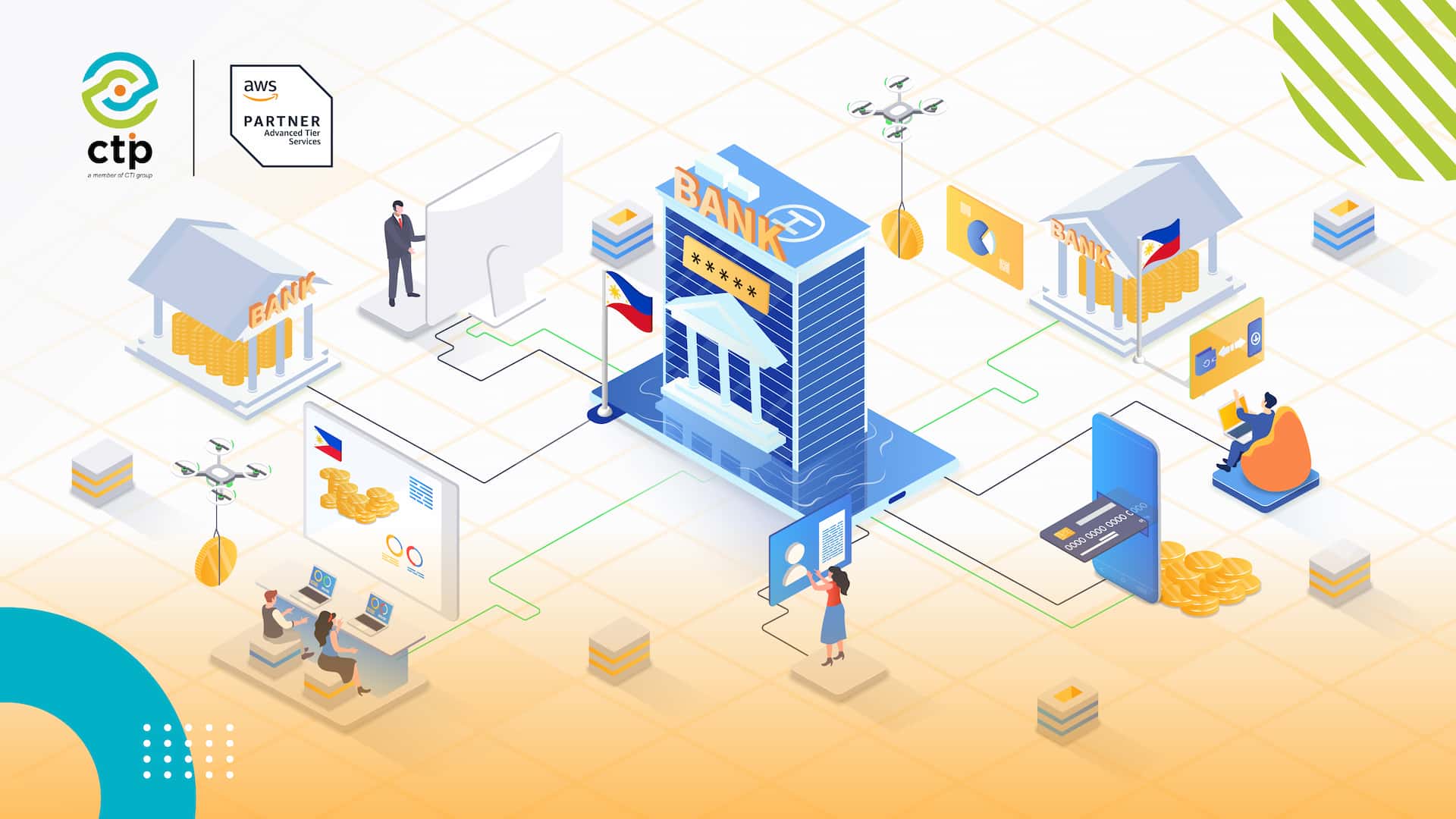
For decades, rural banks have been the financial backbone of communities across the Philippine countryside. Today, however, the pressure to digitize is intensifying. Customers expect mobile access and seamless digital services, while new tech-driven entrants are reshaping the competitive landscape. Many rural banks have responded quickly, launching digital platforms to expand their reach.
Now, BSP the regulator is making it clear that digital banking growth must be matched with stronger governance.
Why BSP Is Raising the Bar for Tech-Driven Rural Banks
The Bangko Sentral ng Pilipinas is closely monitoring the rapid rise of technology-driven rural banks. While the central bank continues to support digital transformation, its recent draft circular underscores a critical point. Rural banks must remain anchored to their core mandate of serving local communities.
As digital capabilities allow these institutions to expand beyond their traditional geographic footprints, the risks also evolve. Higher transaction volumes, remote onboarding, and broader customer bases introduce new operational and compliance challenges. In response, the BSP is reinforcing prudential safeguards, including customer account thresholds and stricter oversight expectations.
Digital expansion is still encouraged, but it must be grounded in stronger governance. For rural banks, meeting these standards signals a shift toward building digital systems that can scale responsibly while preserving stability and public confidence.
Beyond Compliance: Building Real Digital Resilience
Meeting the minimum regulatory requirements may keep a bank compliant, but it will not make it competitive. In today’s environment, resilience, security, and scalability define long-term success.
Customers want uninterrupted access and real-time transactions. Regulators expect clear oversight, robust risk management, and transparent reporting. Rural banks that treat compliance as a simple checklist risk falling behind both technologically and strategically.
The real opportunity lies in using these new standards as a catalyst for modernization. Instead of reacting to regulation, forward-looking institutions can use it as a framework to strengthen infrastructure, improve operational visibility, and future-proof their digital growth.

Cloud as the Foundation for Stable Digital Growth
Balancing innovation with stability is increasingly difficult when relying solely on traditional on-premises infrastructure. Modern digital banking demands systems that scale quickly, enforce security consistently, and remain resilient under pressure. Cloud migration provides that foundation by embedding governance directly into the architecture through centralized controls, automated monitoring, and policy enforcement.
As transaction volumes grow and digital adoption expands, cloud environments allow rural banks to scale dynamically without heavy upfront hardware investments. Built-in redundancy and disaster recovery capabilities also strengthen operational resilience, a critical advantage in an archipelagic country where physical infrastructure can be vulnerable to disruption.
In this context, cloud adoption is more than modernization. It becomes a strategic decision that supports regulatory alignment, service continuity, and sustainable digital growth.
Read Also: AWS Migration Readiness: Why Cloud Initiatives in the Philippines Struggle to Succeed
How AI Strengthens Compliance and Risk Management
Once a secure cloud foundation is in place, Artificial Intelligence adds the intelligence layer needed to manage complexity at scale.
Automating Compliance Monitoring
Manually tracking evolving prudential safeguards is time-consuming and vulnerable to error. AI can continuously monitor operations against regulatory thresholds, flag exceptions in real time, and streamline reporting. The result is stronger oversight with less administrative burden.
Fraud and Anomaly Detection
As digital channels expand, so does exposure to fraud. AI models analyze transaction behavior and system activity to detect anomalies early, helping banks contain threats before they impact capital or erode customer trust.
Intelligent Transaction Monitoring
AI strengthens Anti-Money Laundering (AML) controls by learning normal customer behavior and distinguishing genuine risk from routine activity. This reduces false positives, improves investigative efficiency, and supports smoother transactions for legitimate users.
Alternative Credit Scoring
In line with the BSP’s financial inclusion goals, AI can assess alternative data, such as mobile usage or utility payments, to evaluate borrowers without formal credit histories. This allows rural banks to extend financing responsibly while managing risk with greater precision.
Read Also: Traditional AI vs Generative AI: Making the Right Choice for Philippine Enterprise
Designing Architecture for the Next Era of Rural Banking
Treating compliance as a series of temporary IT fixes will eventually limit growth. Sustainable modernization requires embedding regulatory standards directly into the bank’s technological foundation.
A resilient, cloud-native architecture integrated with AI capabilities allows rural banks to adapt more easily to future BSP circulars while continuing to deliver fast and reliable services. Instead of reacting to regulatory changes, banks operate systems designed for agility and oversight from the outset.
When architecture supports both innovation and control, compliance becomes part of daily operations rather than external pressure. This is how regulation transforms from obligation into advantage.
Ready to Strengthen Your Digital Banking Foundation?
Navigating modern cloud architecture, AI integration, and Philippine banking regulations is a complex undertaking that demands specialized expertise. As an Advanced Partner of Amazon Web Services (AWS), Computrade Technology Philippines (CTP), part of CTI Group, helps bridge the technology talent gap for rural banks pursuing secure digital growth.
By partnering with CTP, your bank can confidently transform compliance requirements into a sustainable competitive advantage, building a resilient foundation for the next era of tech-driven rural banking.
To explore how your institution can align digital expansion with regulatory strength, connect with our team and start planning your next phase of modernization.
Author: Wilsa Azmalia Putri
Content Writer CTI Group


