

Across the Philippines, banking expectations are evolving at an unprecedented pace. For today’s consumers, a debit card is no longer a secondary “add-on”, it is the primary gateway to their financial lives. Customers expect immediate account access, frictionless digital payments, and the freedom to transact whenever and wherever they choose.
For rural and thrift banks, this shift is a critical crossroads. The question is no longer whether card services are relevant, it is whether your bank can deliver instant debit card issuance with the speed, security, and scalability required to compete in a digital-first economy.
Why Rural Banks Are Racing Toward Payment Modernization
Rural and thrift banks are the backbone of financial inclusion in the Philippines, serving millions of Filipinos in provincial heartlands and underserved communities. Historically, these institutions were hamstrung by technical and regulatory barriers that made card issuance slow, cost-prohibitive, and operationally complex.
That era is over. Recent industry shifts show that payment modernization is driving a decisive move toward a “hybrid” model. Forward-thinking banks are now prioritizing instant debit card issuance through the simultaneous rollout of physical debit cards for branch-reliant customers and digital cards for the mobile-first generation. This dual-track strategy allows banks to deepen local community ties while providing the digital tools necessary to participate in the global e-commerce economy.
The “Legacy Debt”: Why Traditional IT Blocks Modern Issuance
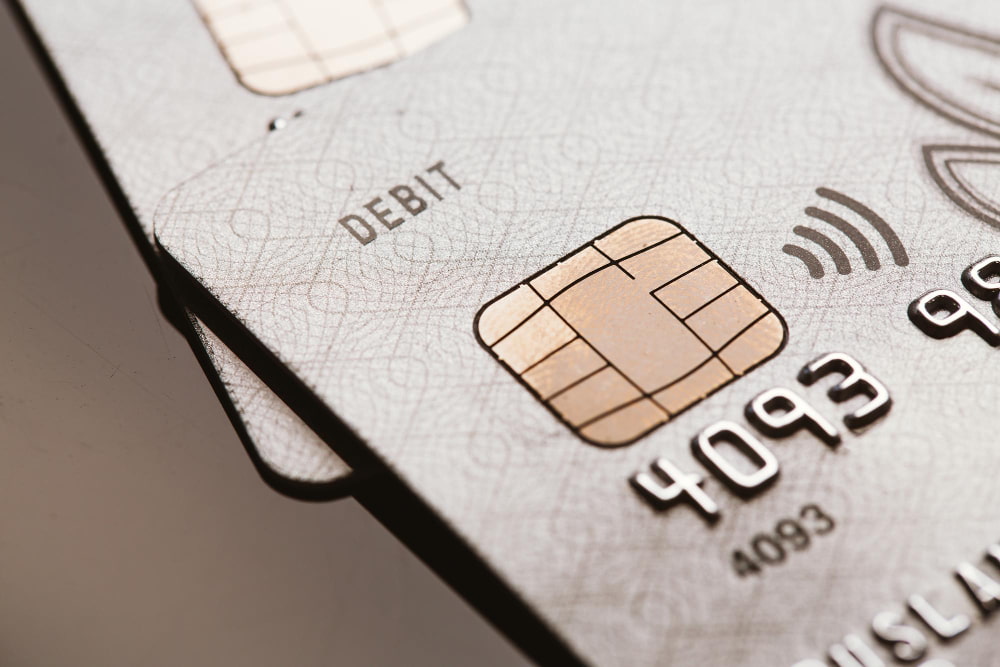
While instant debit card issuance looks like a front-end service, its success is entirely dependent on back-end agility. Many rural banks still operate on legacy IT models that were designed for an era of batch processing and manual workflows. They simply weren’t built for the “always-on” demands of real-time issuance.
Traditional environments typically fail in three critical areas of payment modernization:
1. Inelastic Infrastructure
Legacy systems are sized for static workloads. When transaction volumes spike, driven by digital adoption or seasonal spending, these systems struggle to keep up. Scaling in a traditional environment involves manual upgrades, long procurement cycles, and heavy capital expenditure, making instant debit card issuance nearly impossible to achieve at scale.
2. The Compliance Complexity Trap
As card programs grow, so do the regulatory stakes. Managing audit trails, data residency, and reporting across fragmented, “siloed” systems creates unnecessary risk. In a legacy environment, updating a platform to meet new BSP (Bangko Sentral ng Pilipinas) or PCI-DSS requirements can take months, delaying payment modernization efforts and increasing the likelihood of compliance gaps.
3. Fragmented Security Postures
Old-school architectures were built for “perimeter” security, protecting the branch. They aren’t natively equipped to handle the diverse threat vectors of digital cards and mobile transactions. This creates “security silos” between branch operations and digital platforms, increasing vulnerability to fraud and creating a disjointed experience for the customer.
Going Cloud-Native: Breaking the Infrastructure Barrier
Modern issuance requires an environment that scales as fast as customer demand. This is the “Cloud-Native” advantage. Rather than forcing banks to over-invest in hardware upfront, cloud platforms provide a foundation of flexibility, resilience, and baked-in security.
By leveraging a cloud-native architecture, banks can support instant debit card issuance without the “legacy tax”, accelerating their overall payment modernization roadmap.
Secure, Compliant Foundations on AWS
Amazon Web Services (AWS) provides a specialized, security-first environment tailored for regulated financial workloads. With built-in encryption and automated compliance frameworks, banks can meet stringent industry standards while significantly reducing the operational load on their internal IT teams.
Real-Time Scalability for Card Growth
Cloud-native systems are elastic by design. Whether a card is issued at a provincial branch or activated via a mobile app, the processing capacity adjusts automatically. This ensures consistent, high-speed performance for instant debit card issuance without the need for manual intervention or expensive over-provisioning.
Uninterrupted High Availability
In the digital age, downtime equals lost trust. Cloud architecture utilizes redundancy and fault tolerance across multiple zones, ensuring that card services remain active even during localized outages or peak demand surges.
Read Also: BSP’s New Standards for Rural Banks: How to Turn Compliance into Digital Advantage
Turning Instant Issuance into a Strategic Advantage
Speed is the baseline; intelligence is the differentiator. The true value of a payment modernization strategy lies in the data it generates. When instant debit card issuance is backed by real-time insights, it transforms from a basic utility into a strategic growth engine.
Proactive Fraud Mitigation
Intelligent monitoring analyzes transactions as they happen, identifying anomalies before they impact the bottom line. Real-time risk scoring allows banks to block fraudulent activity without interrupting the experience for legitimate users.
Automated Compliance & Reporting
Automation eliminates the “manual grind” of tracking compliance across all card programs. Continuous monitoring ensures that internal policies and external regulations are enforced consistently, simplifying audits and reducing the risk of human error.
Data-Driven Financial Inclusion
Transaction data is a goldmine of customer behavior. These insights allow rural banks to design hyper-targeted services for farmers, MSMEs, and first-time account holders, accelerating financial inclusion while maintaining a healthy risk profile.

The Bottom Line: A Decision Beneath the Surface
As the Philippines continues its march toward a “cash-lite” society, the pressure on banking infrastructure will only intensify. Offering both physical and digital cards through instant debit card issuance is no longer a luxury; it is the new standard of service in payment modernization.
Before you expand your card program, ask the hard questions:
- Can your current systems scale without breaking the bank?
- Are your branch and digital channels operating as a single, unified unit?
A fragmented foundation leads to friction, security gaps, and churn. A unified, cloud-native foundation ensures that your bank isn’t just issuing cards, it’s building the future of Philippine finance.
Partner with CTP to Modernize Card Issuance
As part of the CTI Group, Computrade Technology Philippines (CTP) helps rural and thrift banks modernize payment infrastructure by enabling secure, cloud-native instant debit card issuance. From supporting real-time issuance to strengthening compliance and availability, CTP provides a scalable foundation for modern card programs.
With expertise across AWS and regulated financial environments, CTP supports banks in connecting physical and digital card services, accelerating payment modernization, and moving forward with confidence in a cash-lite economy.
Looking to modernize your card issuance strategy? Partner with CTP as an Advanced AWS Partner and take the next step toward secure, scalable payments in the Philippines.
Author: Danurdhara Suluh Prasasta
CTI Group Content Writer


